How I can help you
Service #1
Your Paragraph text goes Lorem ipsum dolor sit amet, consectetur adipisicing elit.

Service #2
Your Paragraph text goes Lorem ipsum dolor sit amet, consectetur adipisicing elit.
Service #3
Your Paragraph text goes Lorem ipsum dolor sit amet, consectetur adipisicing elit.
LEARN MORE
The rhythm we follow:
Awareness → Alignment → Action → Integration
t’s not therapy.
It’s not motivational coachinhg.
It’s the space in between — where you remember how to work with yourself, not against yourself.
MY APPROACH
Every change begins with seeing clearly
This isn't therapy. It isn't motivational coaching.
It’s Educational Healing. Which simply means this:
We work through three practical focuses:
1, Clarify what is shifting
Name the transition you are in and understand why it feels destabilising.
2, Realign your decisions
Reconnect with your values so your choices feel grounded instead of reactive.
3, Restore inner coherence
Reduce the internal conflict between what you feel, think, say and do.
Educational Healing is about relearning the basics:
- how to think clearly under pressure
- how to separate your values from expectations
- how to make choices that feel honest, not forced.
Not by telling you who to become.
But by helping you examine your life with clarity and courage.
Together, we translate complexity into clarity, not by simplifying life, but by finding its through-line:
the rhythm, the pattern, the next right step.
We work through three lenses:
Psychological clarity – seeing how patterns repeat until they’re understood enough to shift.
Embodied awareness – decisions begin in the body; we learn to feel your way forward.
Systems thinking – when one part shifts, everything shifts: work, relationships, purpose, self-talk.
What you can expect
A calm, confidential space that is both kind and direct
Psychological grounding blended with creative and systemic tools
Honest feedback about what might truly serve your process
Practical design of habits, systems, and new choices
Written by: Anita Kuglerné Diós
The best decision I ever made was choosing her
When I decided it was time to change, I was lucky enough to find her. From our very first session I knew I was in good hands. Her open, down-to-earth style made it easy to connect, and her kindness and warmth showed how much she truly loves what she does.
Whether we talked about anxiety, relationships, or self-understanding, she always offered clear, practical guidance. Her examples made everything understandable, and her knowledge constantly impressed me — she saw into my situation as if she had lived it herself.
Each conversation left me lighter, clearer, and more confident about the next step. I’m deeply grateful and can wholeheartedly recommend her to anyone ready for real change.
What I ask from you
Presence, curiosity, and openness to experiment
Willingness to bring both reflection and real-life action
Respect for time, boundaries, and shared rhythm
Clarity isn’t something we find once.
It’s something we practice — together.
Written by: Zsanett Kalán
A psychologist full of love
For me, she is the Psychologist — with a capital P. She doesn’t just listen; you can feel her genuine warmth and care. Sometimes just seeing her joyful smile makes you feel better even before she says a word.
When she does speak, she sheds light on painful truths you’ve always known deep down but were too afraid to face. With her, that fear disappears. She gives you the courage to dive deep into your soul and reclaim the lost pieces of yourself.
She’s like a guardian angel who has helped me make more progress in a few months than in my previous 33 years. I truly bless the day I found her.
One-to-One Life Design
Find your way of moving through the world
Everyone carries a different kind of intelligence, emotional, practical, creative, or reflective.
Some move fast, others take their time. Some lead with ideas, others with heart or steady hands.
A Life Design Session turns that awareness into direction. One clear, grounded step at a time.

Who's This Perfect For
⚖️ The Integrators
You care deeply about doing things right — not for perfection, but for integrity.
When life feels out of alignment, you sense it instantly.
A session helps you redesign systems and choices that match your real values.
🧱 The Builders
You make things happen. You show up, follow through, and keep things steady — but structure without meaning can feel empty.
Together, we look at what you’re building and whether it still matches what matters most to you.
💡 The Thinkers
Your mind sees connections others miss — ideas, insights, future possibilities.
But staying in your head can make action feel far away.
We’ll translate your clarity into grounded steps that bring vision to life..
🎨 The Creators
You need space to explore and express — yet self-doubt or scattered energy can block your flow.
Our work helps you reconnect with creative purpose, turning inspiration into real, sustainable rhythm.
🌾 The Connectors
You sense people deeply and hold space with ease, but often forget to include yourself in the circle you care for.
In our session, we balance empathy with boundaries — so giving and receiving flow naturally again.
🌙 The Wanderers
You’re curious and open, sensing that change is near but unsure what it looks like yet.
Together, we’ll name what’s unfolding and translate that curiosity into your next clear step.
🌺 The Resters
You’re in a slower season — catching your breath, recovering, or simply not rushing anymore.
A session helps you honor this pause and find the quiet kind of clarity that comes only from stillness.
🛡️ The Guardians
You’ve been the strong one — protecting, leading, keeping things running.
Now you’re ready to use that power differently.
In our work, strength becomes balance — a force guided by purpose, not constant effort.
🔔 The Keepers
You hold things together — homes, teams, friendships — often without recognition.
We’ll help you design a life that includes your needs too, so care and stability become shared, not carried alone.
The path to begin
This work is simple and human. We create a steady rhythm so insight turns into movement
Orientation Call
We meet for 20–30 minutes online.
You share what brings you here — I listen for patterns, energy, and what feels most alive right now.
This first conversation is also a moment to sense whether this work, and this timing, are the right fit.
Sometimes I may suggest other forms of support alongside or instead of coaching (like therapy, somatic or art-based work, or medical guidance) if that would serve you better.
My role is to help you find the right next step, even if that step isn’t with me.
Outcome: clarity about focus, readiness, and fit.
We design frequency, focus, and format.
You’re always free to ask questions or pause before deciding — we only begin when it feels right in your body and your schedule.
Mapping the Terrain
During the first few sessions, we form an understanding of the landscape you’re navigating.
We explore challenges, existing resources, and the rhythms that already work in your life.
This stage is about awareness, not speed — seeing clearly before deciding where to move.
Outcome: a shared map and a sense of direction grounded in reality.
Things Get Done
Growth doesn’t happen in a straight line — it moves in spirals and iterations.
We build a steady rhythm: reflection, action, integration, rest.
Learning when to pause and when to move becomes part of your practice.
This is where clarity turns into daily action, structure, and self-trust.
Fine-Tune Together
Every few sessions, we pause to reflect.
What shifted? What still needs breath? What feels complete?
If the work feels ready to close, we wrap up intentionally.
If it wants to deepen, we refine the strategy and begin the next spiral with new insight.
You’ll leave with tools, rhythm, and momentum — a grounded system you can sustain on your own.
Outcome: integration, renewal, or closure.
I don’t promise a perfect life.
Life is unpredictable. It will remain imperfect.
Challenges won’t disappear.
But hardship feels very different when you know you chose the path you are walking.
Without alignment, difficulties can feel like proof that something is wrong with you.
With alignment, they become part of growth.
Tests of commitment, not personal punishment.
When your goals reflect your real values,
obstacles stop feeling random or unfair.
They become part of a path you consciously stand for.
That is why alignment matters.
Not because of any moral reason or because it would make things perfect, but because it makes the struggle meaningful.
A life where your beliefs, your decisions, your words and your actions reflect each other.
Where you are not performing a version of yourself, but living one.
You are welcome to bring your worldview, your doubts, your philosophy, your questions.
This is not about changing what you believe.
It is about examining what truly feels like yours and building from there.
Is your current life built around the principles you actually stand for?
Or around what once felt necessary?
Together we examine.
Then we align.
That’s where clarity grows.
That’s where meaning returns.
That’s where peace and real contentment become possible.
Not as a constant high.
But as a steady direction.
If this way of seeing speaks to you,
let’s meet at the first pause.
A gentle conversation where clarity begins.
The Reflective Mirror – Seeing Clearly Before Moving Forward
Before we begin to change anything, we pause to see what’s already true.
Most people come here when something has quietly ended — a chapter, a role, a rhythm that no longer fits.
This is where we stop trying to fix and start listening again.
Not through effort, but through honesty.
The Mirror isn’t about improvement.
It’s about remembering what’s already whole.
Reconnect, we meet you as you are, not as you "should" be
In our sessions, the mirror is never judgmental.
It simply shows what is — the patterns, pauses, and truths you’ve already been sensing.
When you start looking with gentleness instead of pressure, insight begins to move through you.
I call this educational healing — where reflection meets design, and awareness becomes a living skill.
Because clarity isn’t a one-time event. It’s a practice.
Replan; balancing structure and freedom
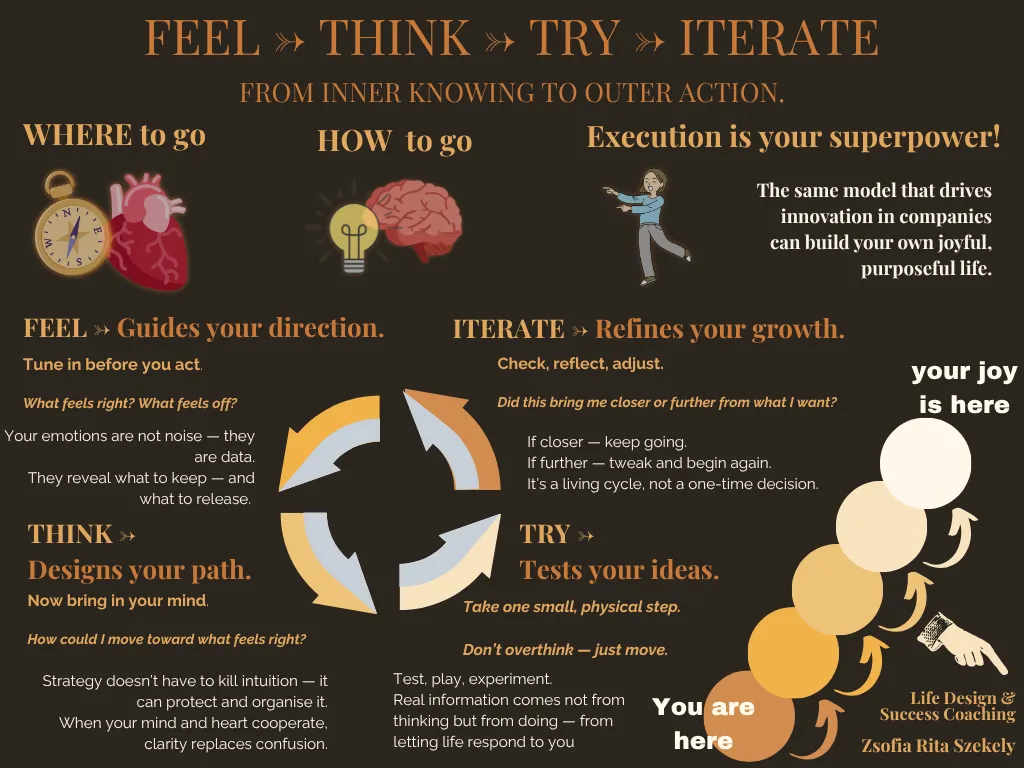
My approach is grounded in psychology, but it’s not clinical.
It’s creative, embodied, and systemic, working with your whole self:
the sharp mind that overthinks,
the body that knows before words do,
and the intuition you’ve been taught to silence.
Paths & Resources Hub
The Three Ways to Walk the Spiral Together
Every person I work with carries a different story, but the rhythm of growth is universal.
Some journeys call for deep one-to-one space.
Others unfold in shared circles.
And some begin quietly, through self-study and reflection.
Each path meets you where you are.
All of them move in the same rhythm;
reflection, structure, movement.
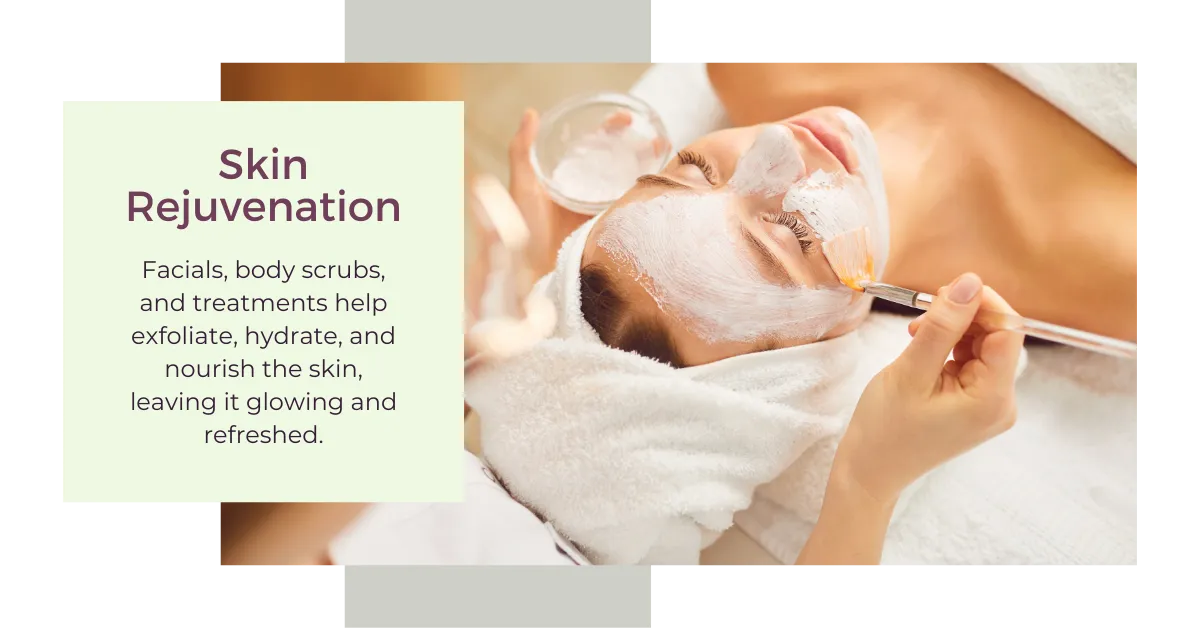

Products are unavailable at the moment.
Don't worry, they'll be popping up soon with a surprise.
Self-Study Tools
Digital Resources
For the explorers who like to start on their own.
Guided reflections, workbooks, and creative tools to help you realign between coaching sessions or to begin your journey independently.
The Tribe Library
Articles, Reflections, and Free Resources
For ongoing learning and gentle sparks of insight.
I regularly write about growth, transition, and everyday tools that help you move from awareness to action.
How to Plan the Perfect Weekend Getaway
Not every trip needs weeks of planning or a long-haul flight.
Some of the best travel memories come from quick, spontaneous weekend escapes — a couple of days away from routine, exploring somewhere new, and returning home feeling completely refreshed.
The secret to a great weekend getaway isn’t packing more into the trip. It’s choosing the right destination, keeping plans simple, and leaving room for a little spontaneity.
✨ Start With the Right Destination
✨ Choose One or Two Highlights
✨ Slow Mornings Are Part of the Plan
✨Make the Journey Part of the Experience
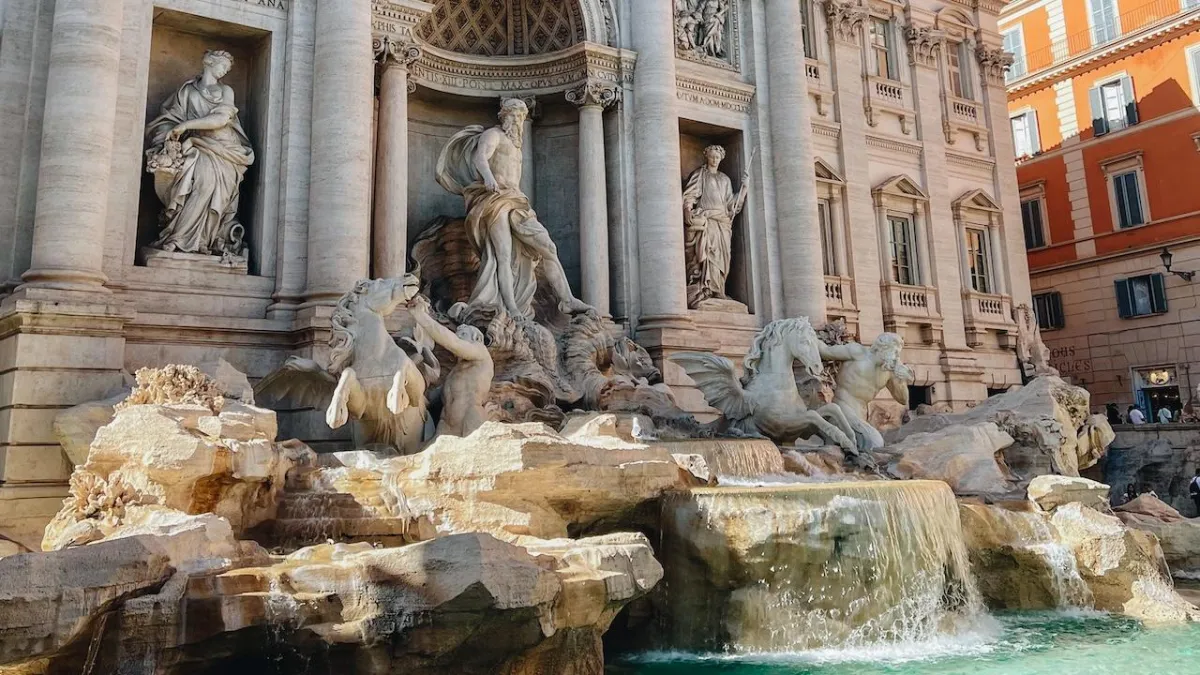
Start With the Right Destination
For a short trip, travel time matters.
The ideal weekend destination should be easy to reach, whether that’s a scenic train journey, a short drive, or a quick flight. The less time you spend travelling, the more time you have to actually relax, explore, and enjoy your surroundings.
Coastal towns, countryside villages, and vibrant cities can all make fantastic mini break destinations depending on the kind of escape you’re craving. The key is choosing somewhere that gives you the experience you want without requiring too much planning or complicated logistics.
When choosing your destination, keep these tips in mind:
Look for locations within a 2–3 hour travel window. This helps you maximise your time away rather than spending half your trip in transit.
Choose somewhere easy to navigate. Walkable towns, compact cities, or destinations with simple public transport make exploring much more enjoyable.
Think about the type of experience you want. Do you want a relaxing countryside retreat, a coastal escape, or a city full of restaurants, culture, and shopping?
Prioritise destinations with multiple nearby things to do. Cafés, scenic walks, local markets, museums, or viewpoints can make your trip feel full without needing to travel far.
Check the weather and seasonal highlights. Festivals, markets, or seasonal scenery can make a mini break feel even more special.
Choose somewhere that feels different from your everyday environment. Even a nearby destination can feel like a true getaway if it offers a new atmosphere or scenery.
With the right destination, even a two-day trip can feel refreshing, memorable, and surprisingly rejuvenating.
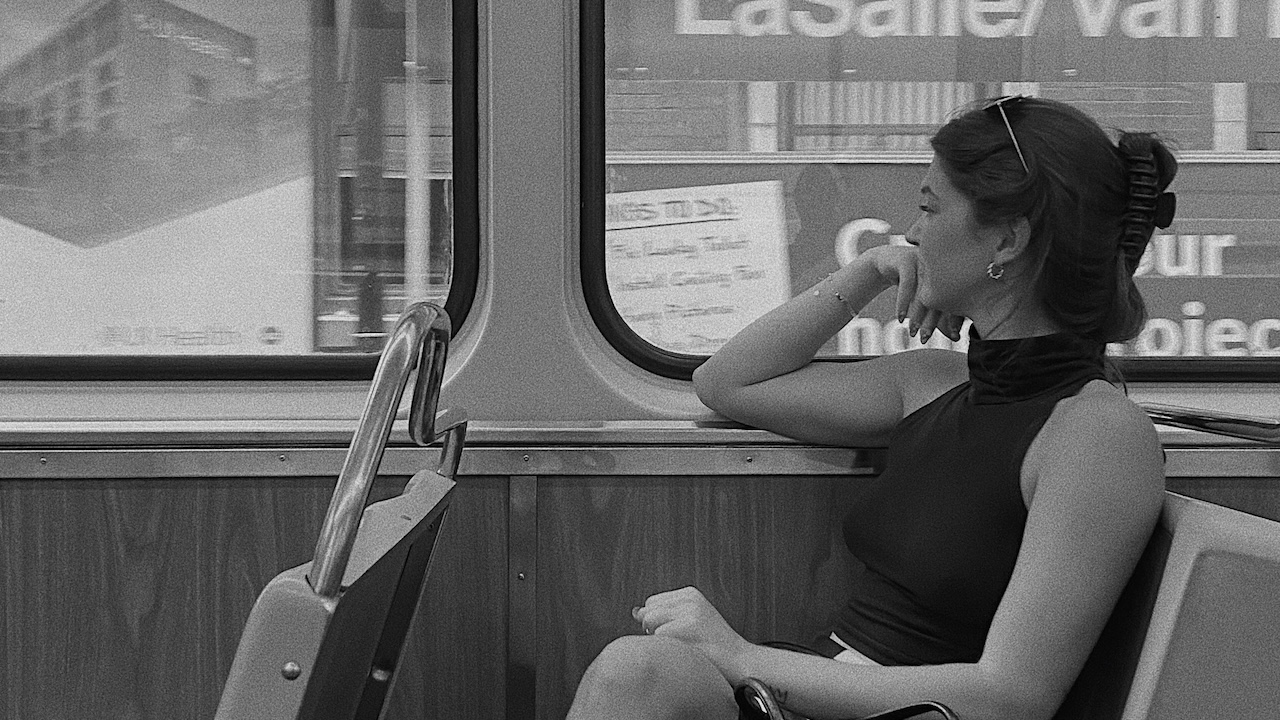
Choose One or Two Highlights
When you only have a couple of days away, it can be tempting to fill your itinerary with as many activities as possible. But trying to see and do everything often turns a relaxing mini break into a rushed checklist.
A better approach is to choose one or two experiences you’re genuinely excited about and build the rest of your trip around them. These highlights become the anchor points of your getaway, giving your trip structure while still leaving room for spontaneity.
Your highlights might be something simple and enjoyable, such as a restaurant you've been wanting to try, a scenic coastal walk, a museum visit, or a local market. When you focus on just a few meaningful experiences, the entire trip feels more relaxed and intentional.
Here are a few ideas to help you choose your highlights:
Pick one memorable activity for each day of your trip, such as a hike, sightseeing spot, or special experience.
Research local restaurants or cafés in advance so you can enjoy a meal you’re genuinely excited about.
Look for unique local experiences, such as food markets, historic landmarks, or scenic viewpoints.
Consider seasonal activities like festivals, farmers' markets, or outdoor events happening while you visit.
Choose experiences that reflect the vibe of the destination, whether that’s relaxation, adventure, culture, or food.
Leave space in your schedule so you can explore unexpected discoveries like charming streets, small shops, or hidden cafés.
Remember, the goal of a mini break isn't to see everything. It's to slow down, enjoy the moment, and create a few memorable experiences that make the trip feel special.
Focusing on just a couple of highlights often leads to a more enjoyable and relaxing getaway overall.

Slow Mornings Are Part of the Plan
One of the best parts of a weekend getaway is the slower pace.
When everyday life is busy, a mini break is the perfect opportunity to step away from strict schedules and give yourself permission to slow down. Instead of waking up early to rush from one activity to the next, allow your mornings to unfold naturally.
Imagine waking up without an alarm, opening the curtains to a new view, and starting your day with a relaxed breakfast rather than a packed to-do list. These slower moments help you settle into the destination and truly enjoy the experience of being away.
Often, the most memorable parts of a trip happen during these unplanned moments. A quiet café you discover while wandering, a scenic viewpoint you stumble upon, or a charming local shop can easily become the highlight of your entire weekend.
To make the most of slow mornings on your mini break, try:
Starting your day without an alarm whenever possible so you can wake up naturally and feel rested.
Planning a relaxed breakfast or coffee stop at a local café rather than grabbing something quickly on the go.
Taking a morning walk to explore the neighbourhood before it gets busy.
Leaving space in your itinerary so you don’t feel pressure to rush through activities.
Enjoying the atmosphere of your surroundings, whether that’s watching the ocean, strolling through quiet streets, or sitting in a sunny plaza.
Capturing the small moments, like journaling, taking photos, or simply pausing to appreciate where you are.
Slow mornings create a completely different rhythm for your trip. They give you time to be present, enjoy your surroundings, and ease into the day without stress.
Sometimes, those quiet, simple moments are exactly what make a mini break feel truly special.
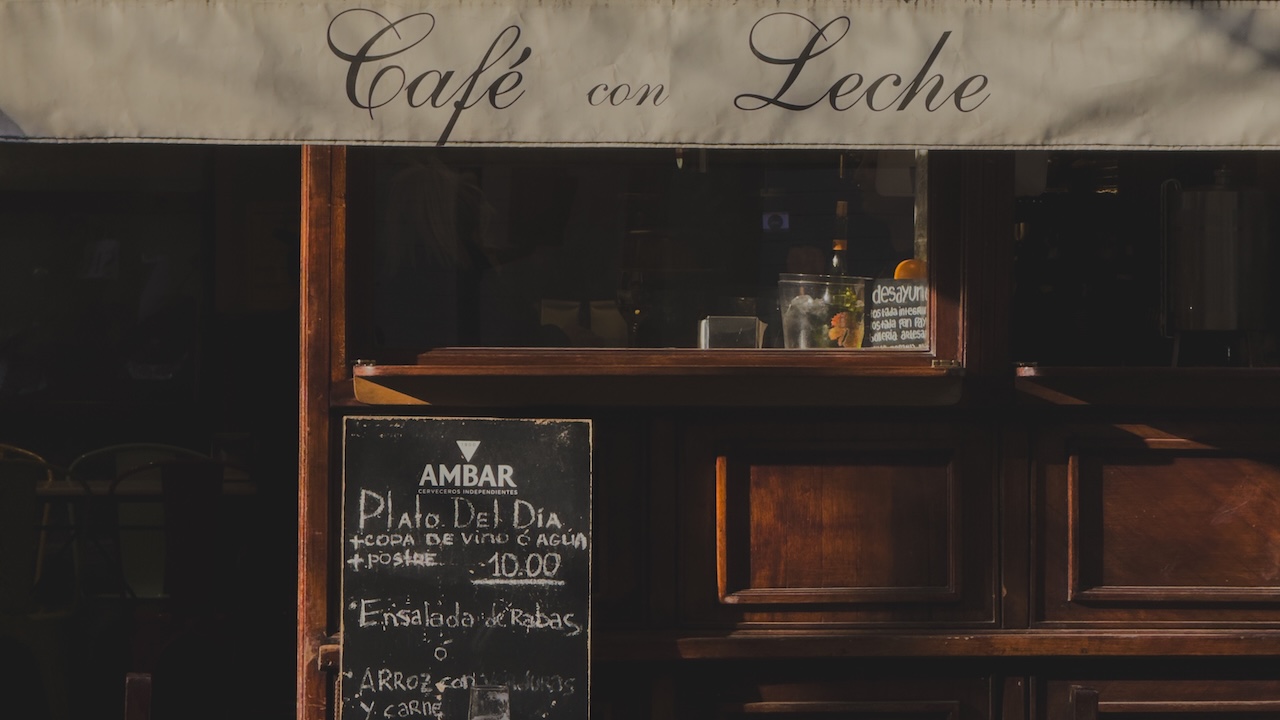
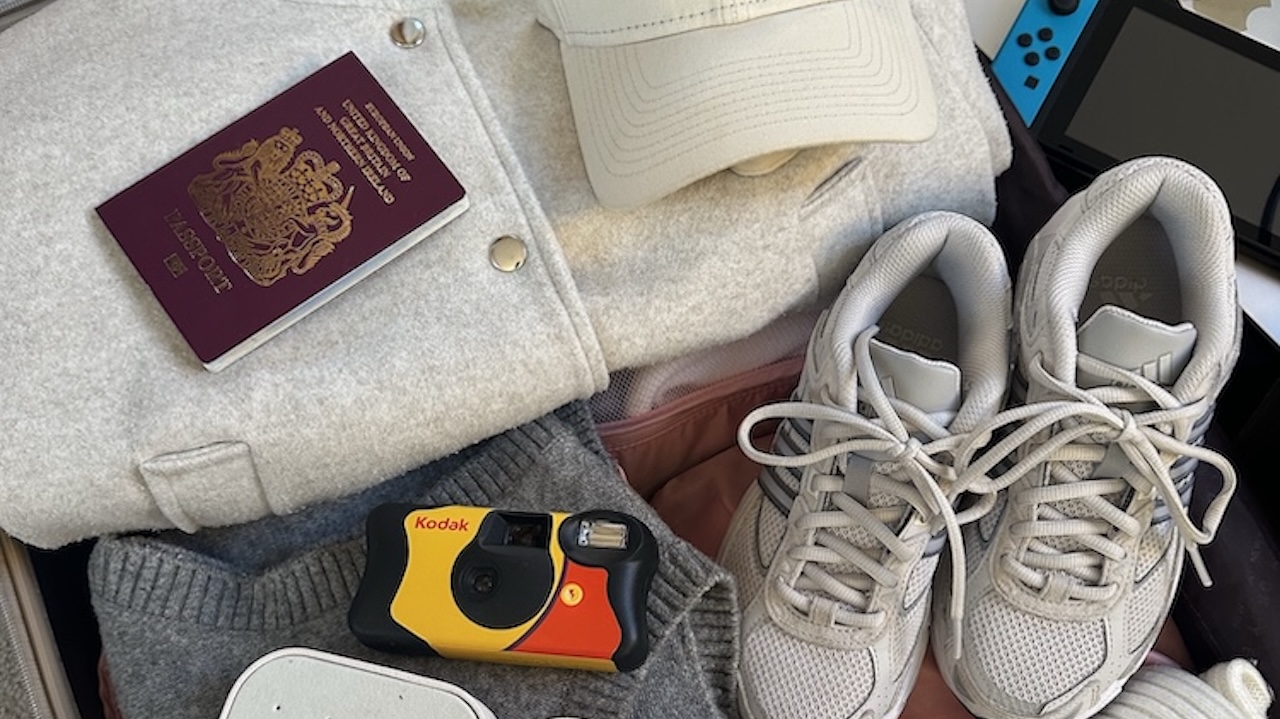
Pack for Simplicity
Packing light makes short trips so much easier.
When you’re only away for a couple of days, you really don’t need a full suitcase of options. In fact, the more you pack, the more time you often spend digging through your bag, deciding what to wear, or carrying unnecessary weight from place to place.
Instead, focus on bringing a small selection of versatile items that work well together. A few outfits you already feel comfortable in, a pair of shoes you can walk in all day, and your essential toiletries are usually more than enough for a weekend getaway.
Packing simply not only saves space, but it also removes decision fatigue while you're away. When your bag is organised and easy to manage, you can spend less time worrying about what you packed and more time enjoying your destination.
Here are a few ways to keep your packing simple and stress-free:
• Choose outfits that can be mixed and matched so a few pieces create multiple looks.
• Stick to a neutral colour palette so everything pairs easily together.
• Bring only one or two pairs of shoes, ideally one comfortable pair for walking and one optional pair for evenings.
• Use travel-sized toiletries or refillable containers to save space in your bag.
• Pack items that serve multiple purposes, like a light jacket that works for both day and evening.
• Use packing cubes or small organisers to keep everything tidy and easy to find.
• Avoid packing “just in case” items that you’re unlikely to use during a short trip.
The goal is to pack with intention rather than packing for every possible scenario. When you travel lighter, moving between places becomes easier, your luggage stays organised, and your trip feels far more relaxed.
Sometimes the simplest bag leads to the most enjoyable getaway.
Make the Journey Part of the Experience
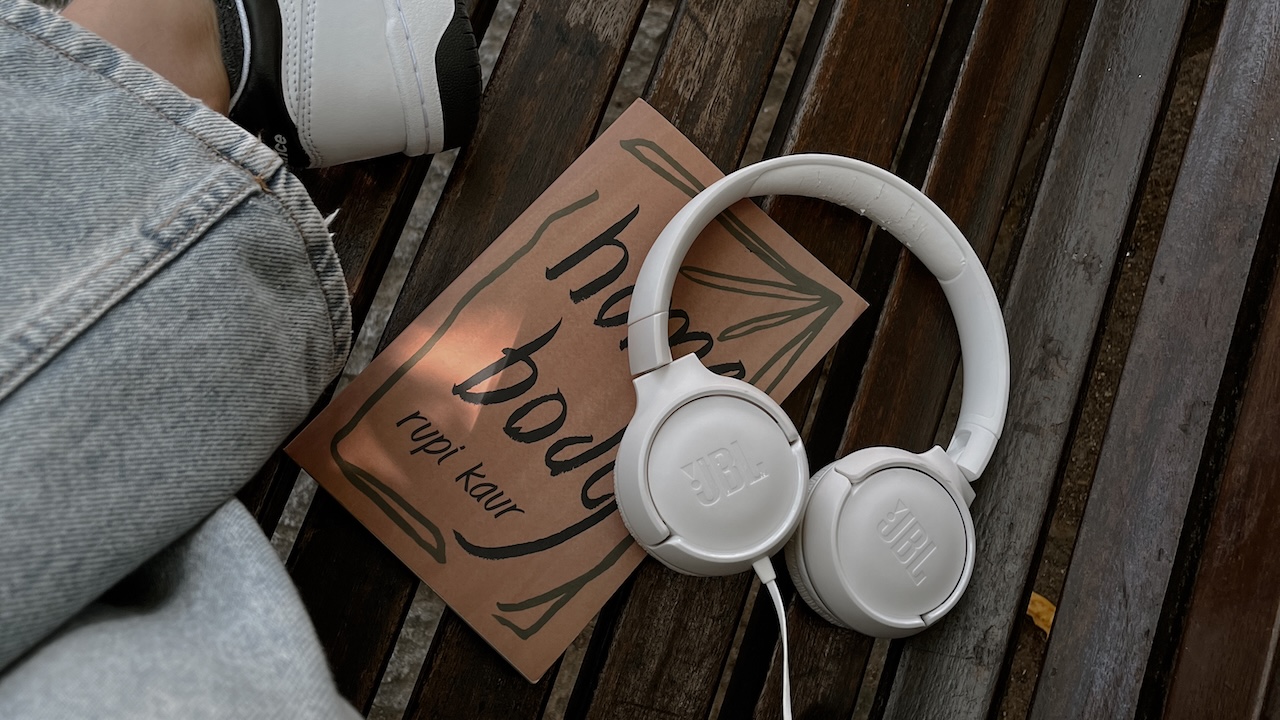
Weekend travel can feel surprisingly luxurious when you treat the journey itself as part of the adventure rather than just the time it takes to get somewhere.
Instead of rushing through the travel portion of your trip, try to embrace it as the beginning of your getaway. Whether you're travelling by train, car, or plane, the journey can be a chance to slow down, relax, and mentally transition away from your everyday routine.
There’s something special about watching new landscapes pass by, noticing how the scenery gradually changes, and feeling that sense of anticipation as you get closer to your destination. When you approach travel this way, the experience starts long before you arrive.
A few simple touches can make the journey feel more enjoyable and intentional:
• Bring a good book or magazine to enjoy during the journey.
• Download a podcast or audiobook that you’ve been meaning to listen to.
• Create a travel playlist to set the mood for your trip.
• Pack a few snacks or a favourite drink to make the journey more comfortable.
• Take time to notice the scenery, whether it’s rolling countryside, coastal views, or passing towns.
• Use the travel time to unwind, reflect, or plan the experiences you're excited about during your trip.
• Capture the start of your trip with photos or notes, documenting the journey as part of the story.
Often, the journey is what helps you shift into “holiday mode.” It creates a clear break from everyday life and allows you to arrive at your destination already feeling more relaxed and present.
When you slow down and enjoy the travel experience itself, the entire trip feels longer, richer, and more memorable.
Common Mistakes to Avoid
Packing Too Many Shoes
Shoes take up a lot of space. For a mini break, you usually only need two pairs: one comfortable pair and one optional dressier pair.
Bringing Full-Size Toiletries
Travel-sized products or refillable bottles save space and weight in your bag.
Packing Clothes You Don’t Normally Wear
Trips are not the best time to experiment with uncomfortable clothing. Pack pieces you already know you love wearing.
Tools, Resources, and Helpful Packing Tips
Here are a few tools that make packing light even easier:
Packing Cubes
Great for organising clothing and maximising suitcase space.
Digital Packing Lists
Apps like PackPoint can generate a packing list based on your destination and trip length.
Carry-On Travel Bags
Choosing the right bag can naturally limit how much you pack and make travelling easier.
FAQ
How many outfits should I pack for a weekend trip?
For a 2–3 day trip, 2–3 outfits plus a comfortable travel outfit are usually enough.
Can I pack everything in a carry-on?
Yes! Most mini breaks only require a small suitcase or travel bag if you pack strategically.
What is the best bag for a mini break?
A small carry-on suitcase or travel backpack works perfectly for short trips.
Should I pack extra clothes just in case?
Try to avoid it. Stick to planned outfits and versatile pieces instead.
How do I keep my suitcase organised?
Packing cubes and small travel pouches help keep everything neat and easy to find.
The beauty of weekend getaways is their accessibility.
You don’t need months of planning or a huge itinerary. Just a destination that excites you, a small bag, and a couple of days to explore.
Sometimes the shortest trips are the ones that stay with you the longest.
Bon voyage!
Evelyn Smith xxx

Get updates of new resources
No noise, no spam, only warmth and usefulness.
Lorem ipsum dolor sit amet, consectetur adipiscing elit. Praesent ut neque ipsum. Mauris sit amet urna consectetur quam viverra semper. Morbi pharetra sollicitudin ante, eget blandit augue venenatis vitae. Integer libero ex, tincidunt sit amet ligula non, interdum sagittis urna.
- NAME LAST NAME
FREE DOWNLOAD
Headline that hooks people in and makes them want to sign up.
Add a subline here lorem ipsum dolor sit amet, consectetur adipiscing elit praesent ut neque ipsum mauris sit amet urna consectetur
© Copyright 2026 Business Name - Privacy Policy - Terms & Conditions